keith Burt
Broker Associate


May 6, 2026
Investing in Paradise: Your Guide to Short-Term Rental Rules on St. Pete's Beaches
Return to Blog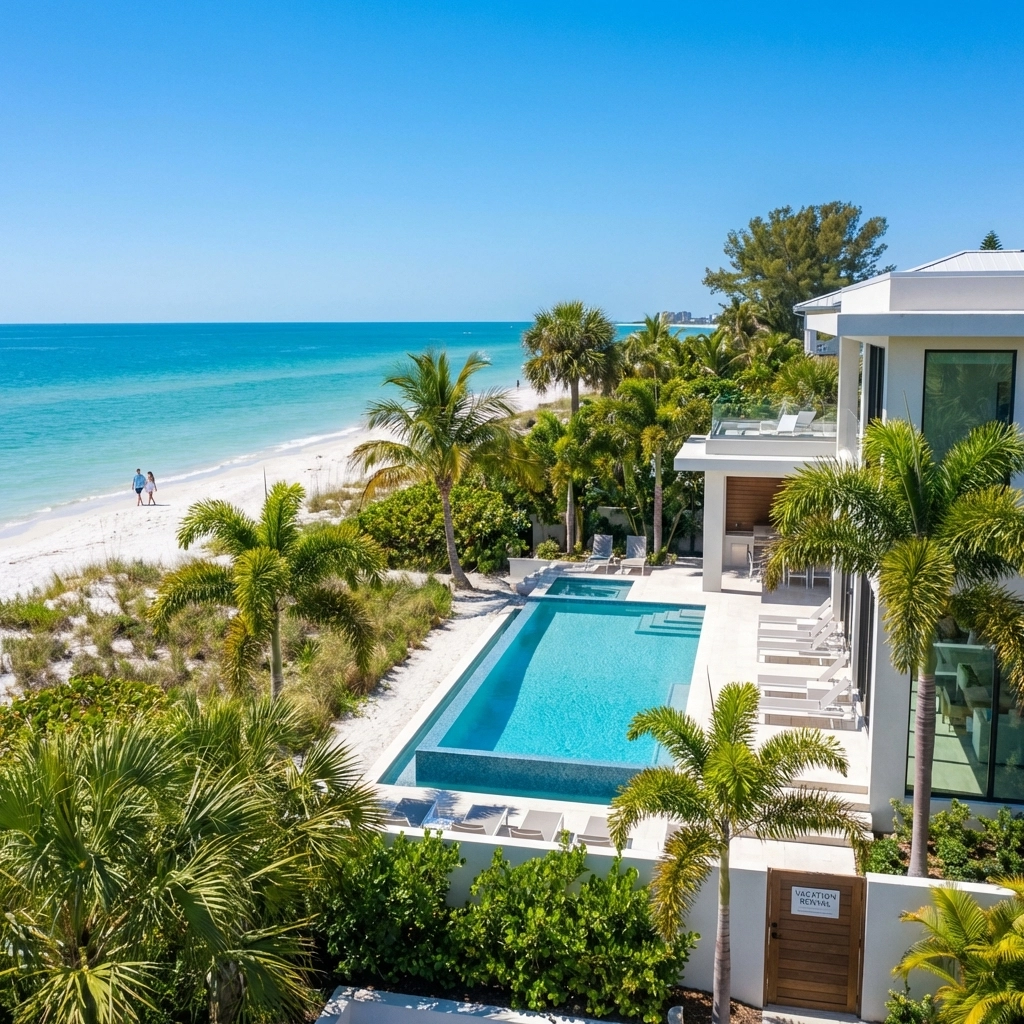
So you're thinking about buying a beach property and turning it into a short-term rental cash machine? I get it. The allure of owning a slice of paradise while generating passive income is hard to resist.
But here's the thing, not all beach towns in Pinellas County play by the same rules. And if you don't do your homework before you buy, that dream investment could turn into a very expensive headache.
Let me break down exactly what you need to know about short-term rental regulations in St. Pete Beach, Treasure Island, and Madeira Beach. Because trust me, the details matter.
Why STR Rules Should Be Your First Research Stop
Before you even start browsing listings, you need to understand one critical truth: zoning determines everything.
A gorgeous beachfront condo might look like the perfect Airbnb goldmine. But if it's in the wrong zone? You could be limited to just three rentals per year, or banned from short-term rentals entirely.
The regulations across our barrier island beaches vary wildly. What's allowed in one town might get you fined $1,000 per day in another. And with enforcement ramping up in 2025 and 2026, this isn't something you can just figure out later.
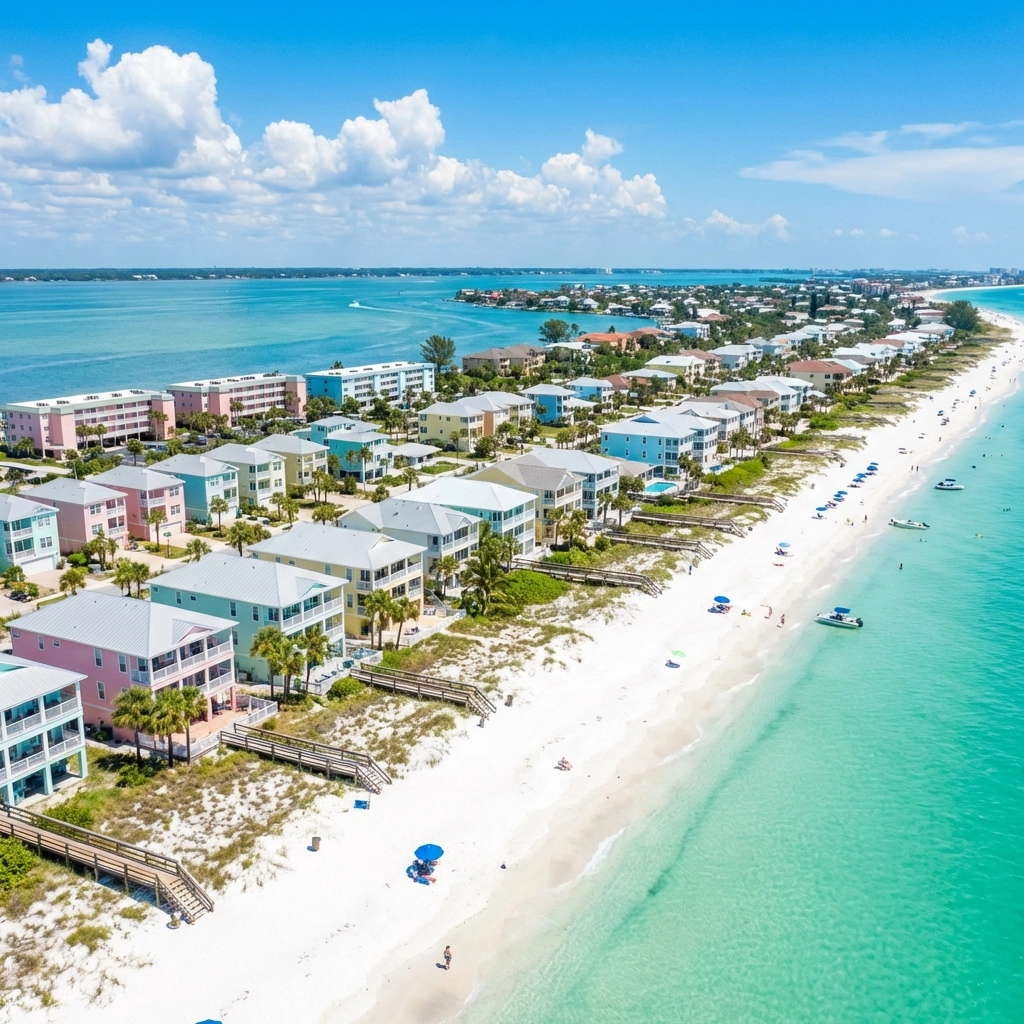
St. Pete Beach: The Strictest Rules on the Sand
Let's start with St. Pete Beach, because this is where most investors get tripped up.
The reality? Short-term rentals (anything under 30 days) are heavily restricted here. Most residential zones flat-out prohibit them.
Here's where STRs are actually allowed:
- RM (Residential Medium-Density) zones: Limited to just 3 rentals per year
- Pass-a-Grille Overlay District: Same deal, only 3 rentals annually
- Tourist Commercial (TC) zones: The only areas where unlimited, year-round short-term rentals are permitted
If your property isn't in one of these zones, rentals under 30 days are off the table. Period.
And here's what catches people off guard: the 3-rental limit applies to the property, not per guest. So if you rent to three different families throughout the year, you're done until next January.
The city actively monitors online listings and investigates complaints. First-time violations start at $250 per day, and repeat offenders can face up to $5,000 per day under Florida law.
I've seen investors buy beautiful properties assuming they could rent them out, only to discover they're stuck with a vacation home they can barely use as a rental. Don't let that be you.
Treasure Island: More Investor-Friendly Territory
Now let's talk about Treasure Island, and this is where things get more interesting for investors.
Treasure Island has historically been more accommodating to short-term rentals, particularly in specific zones:
- CG (Commercial General) zones: Generally allow short-term rentals with proper licensing
- RFM-30 zones: Another investor-friendly option for vacation rentals
The vibe here is different. While you'll still need all the proper licensing and tax registrations (more on that below), the zoning restrictions aren't as punishing as St. Pete Beach.
That said, don't assume every property in Treasure Island is fair game. You still need to verify the specific zoning designation before making an offer. And condo associations here can have their own restrictions that override city permissions.
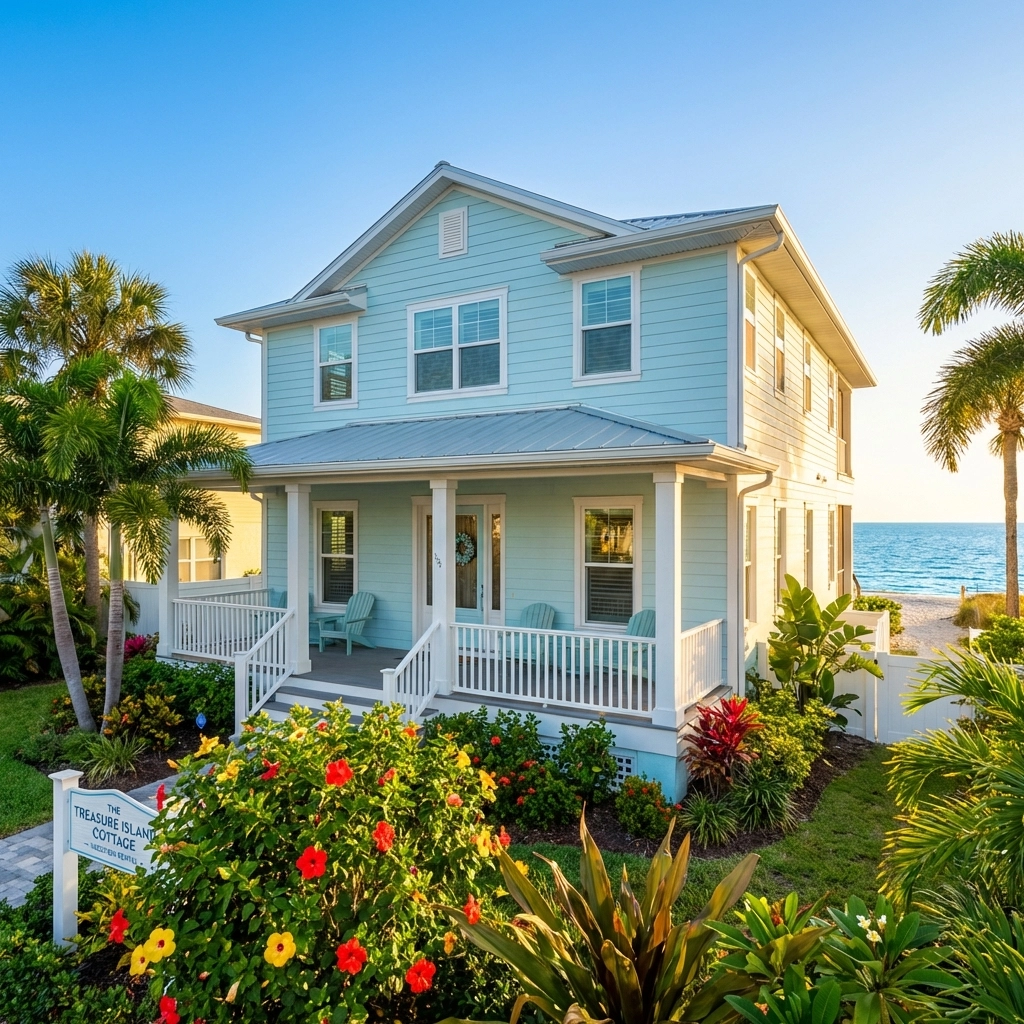
Madeira Beach: The Long-Stay Approach
Madeira Beach takes yet another approach, and it might surprise you.
Many zones in Madeira Beach require minimum stays of 3 to 6 months. That's right, we're not talking about weekend getaways here.
This effectively pushes the market toward seasonal rentals rather than traditional vacation rentals. If you're envisioning quick turnover with different guests every week, Madeira Beach probably isn't your spot.
However, if you're open to the snowbird rental model , where you rent to folks escaping northern winters for a few months at a time, this could actually work in your favor. Less turnover means less management headache, and seasonal renters tend to treat properties better than weekend party crowds.
The Licensing and Tax Requirements You Can't Skip
Regardless of which beach town you're buying in, here's what every short-term rental operator needs:
State Requirements
- Florida DBPR Vacation Rental License: Required if you're renting for fewer than 30 days more than 3 times per year. Your license number must appear in every listing and advertisement.
Local Requirements
- Business Tax Receipt: Each municipality requires this for legal operation
- Safety Compliance: Smoke detectors, emergency lighting, and fire extinguishers are mandatory
- Tax Collection: You must collect and remit 13% in state and county lodging taxes, register with both the Florida Department of Revenue and Pinellas County
The 2025/2026 Certificate of Use Ordinance
Here's something newer that's catching investors off guard: Pinellas County now requires a Certificate of Use for short-term rentals in unincorporated areas.
The process includes:
- Initial safety inspection: $150
- Certificate of Use fee: $450
- Re-inspection every two years: $100
The county also enforces strict operational standards:
- Maximum occupancy: 2 guests per bedroom plus 2 in common areas, capped at 10 total
- Parking: 1 off-street space per 3 occupants (front lawn doesn't count)
- Quiet hours: 10 p.m. to 9 a.m.
You'll also need to post responsible party contact info, maximum occupancy, parking diagrams, noise standards, trash schedules, and the nearest hospital location inside the property.
The HOA and Condo Wild Card
Here's something that trips up even experienced investors: your condo association or HOA can have stricter rules than the city.
Even if your property is in a zone that allows unlimited short-term rentals, your declaration of covenants might:
- Prohibit rentals under 30 or 90 days
- Require guest approval from the board
- Impose additional noise, parking, or behavior restrictions
Always review the governing documents before you buy. Private restrictions override city permissions, and there's no appealing to the municipality when your HOA says no.
My Take: Do Your Homework First
Look, I'm not trying to scare you away from beach property investment. These properties can absolutely generate solid returns: when you buy the right one in the right location.
Here's my advice:
1. Start with zoning verification: check the official zoning map before you fall in love with a property
2. Understand your rental frequency limits: know whether you're looking at unlimited rentals or just 3 per year
3. Factor in all costs: licensing fees, inspections, taxes, and potential HOA restrictions
4. Run realistic numbers: a property limited to 3 annual rentals has a very different ROI than one in a TC zone
5. Work with someone who knows the local rules: this isn't generic Florida beach knowledge; it's hyper-local
The investors who succeed here are the ones who treat due diligence as non-negotiable. The ones who get burned are the ones who assume all beach properties work the same way.
Let's Find the Right Investment Property Together
Navigating short-term rental regulations across St. Pete's beaches isn't simple : but it doesn't have to be overwhelming either.
At Keith Burt Real Estate, we specialize in helping investors find properties that actually match their goals. Whether you're looking for unlimited STR potential in a Tourist Commercial zone or a seasonal rental opportunity in Madeira Beach, we know which properties check the right boxes.
Want to explore investment-ready properties? reach out directly: I'm always happy to talk through what's realistic for your situation.
Paradise is calling. Let's make sure you answer with the right property.